My Router Guide Knowledge Base
Router Configuration & Setup Manuals
Core Basics

How your router connects your home devices.

Whenever you connect a laptop, phone, or smart TV to Wi-Fi, your router acts as a smart gateway director between your home network and the world. Here is how it works.

01 Physical Link

Connecting the Hardware

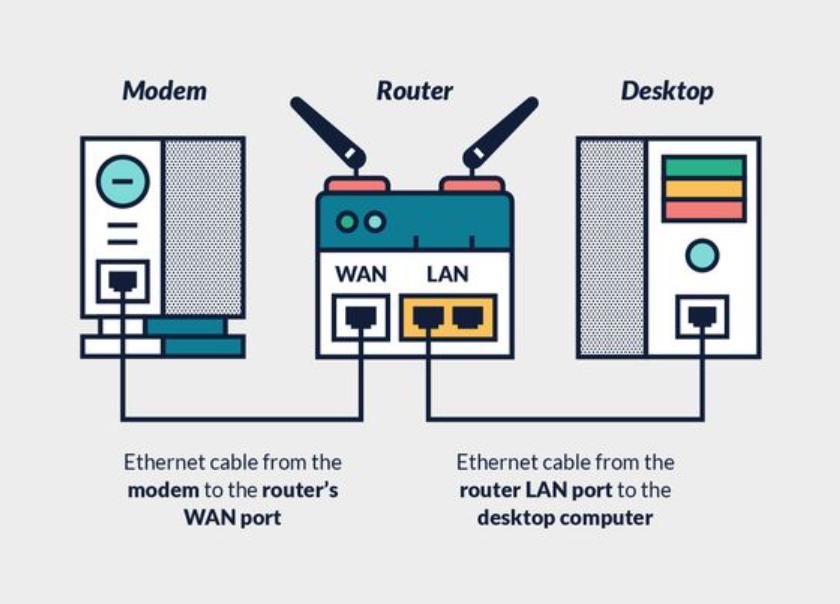
An Ethernet cable links your internet modem to the router's WAN port. The router powers on, detects the signal line, and prepares to distribute local network addresses.

Step 1 of 3
02 Routing & IPs

The Router Coordinates

Your router assigns unique private IP addresses to each connected device and sets up the Wi-Fi signal so everyone communicates without signal collisions.

Step 2 of 3
03 Online Access

Devices Go Online

Your wireless network broadcasts the SSID name. Once devices enter the security password, data flows smoothly for browsing, streaming, and work.

Ready & Connected
Quick Explanation

Why is router configuration so important?

Your router is the front gate to your digital home. Setting it up properly ensures your Wi-Fi reaches every room at maximum speed, protects your personal data from nearby unauthorized users, and keeps smart home devices running reliably.

When do you need to check router settings?

Most routers operate continuously without attention. However, you will want to access your settings when moving to a new home, upgrading your internet speed, changing your Wi-Fi password, or when devices show "Connected, no internet".

Educational Resource: This site is an open educational resource explaining networking settings. We do not sell hardware, charge support fees, or collect user data.

Ready to explore our entire list of step-by-step topic guidelines?

Browse all educational articles regarding router setup, Wi-Fi passwords, and troubleshooting.

Browse All Guides
Learning Guide Topics

Select a topic and start reading.

Choose from our verified step-by-step categories below and read the full educational manuals.

01 Getting Started

How to Connect Router Wires

Setting up your hardware cables properly is the essential foundation of every stable network. Learn how Ethernet cables bridge the link between your wall line, broadband modem, and the router's WAN port. We explain the difference between WAN and LAN sockets, how to read indicator lights, and how to verify physical connections without getting confused by technical terms.

Key Concepts Covered
Ethernet Cable Setup
Modem to WAN Port
LED Light Status
Power Sequence
How to Connect Router Wires
01 • CABLING
02 Configuration

Open Router Login Page

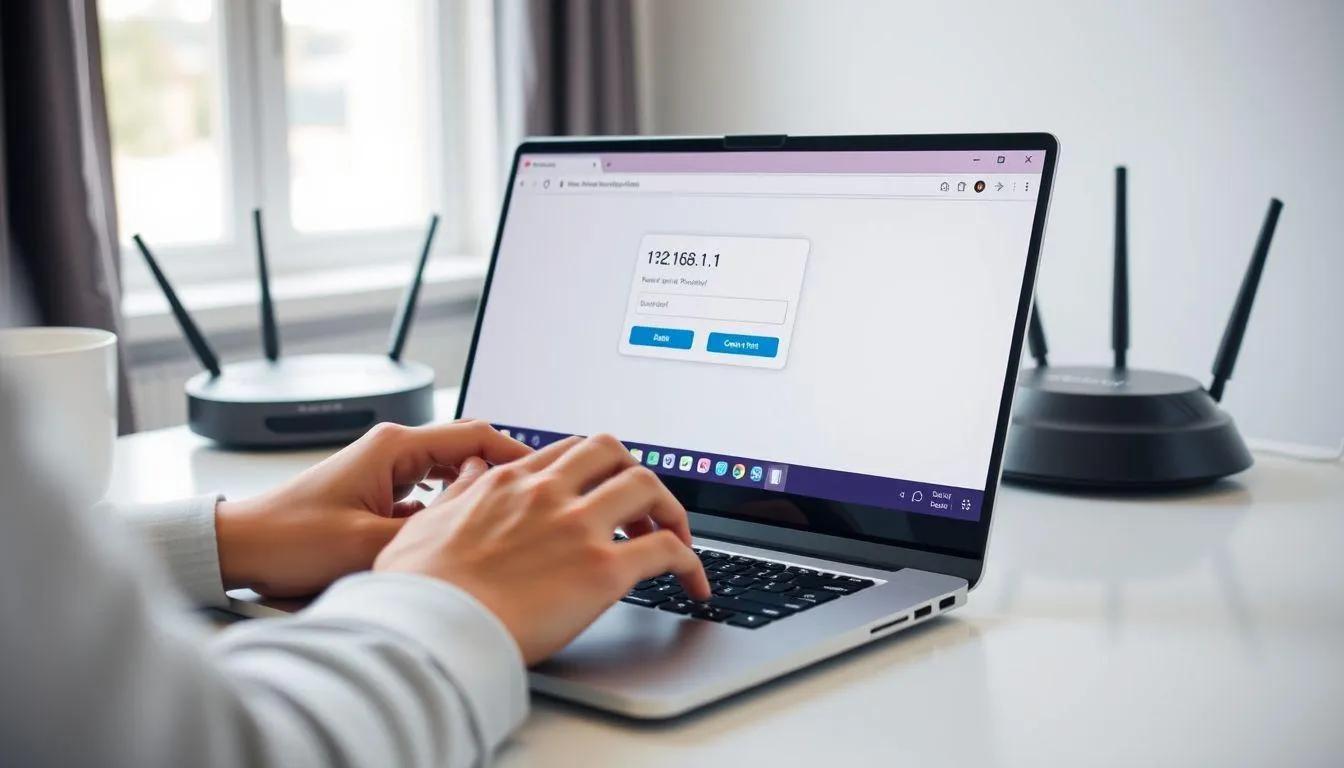
Every router has a local administration dashboard that you can open in any regular web browser without an active internet connection. Learn how to locate your default gateway IP address (such as 192.168.1.1 or 192.168.0.1), check the default credentials printed on the hardware sticker, and troubleshoot browser certificate or timeout notices.

Key Concepts Covered
Default Gateway IP
Hardware Sticker Keys
Admin Account Access
Fixing Page Timeouts
Open Router Login Page
02 • PORTAL LOGIN
03 Performance

Fix Slow Wi-Fi Speed & Range

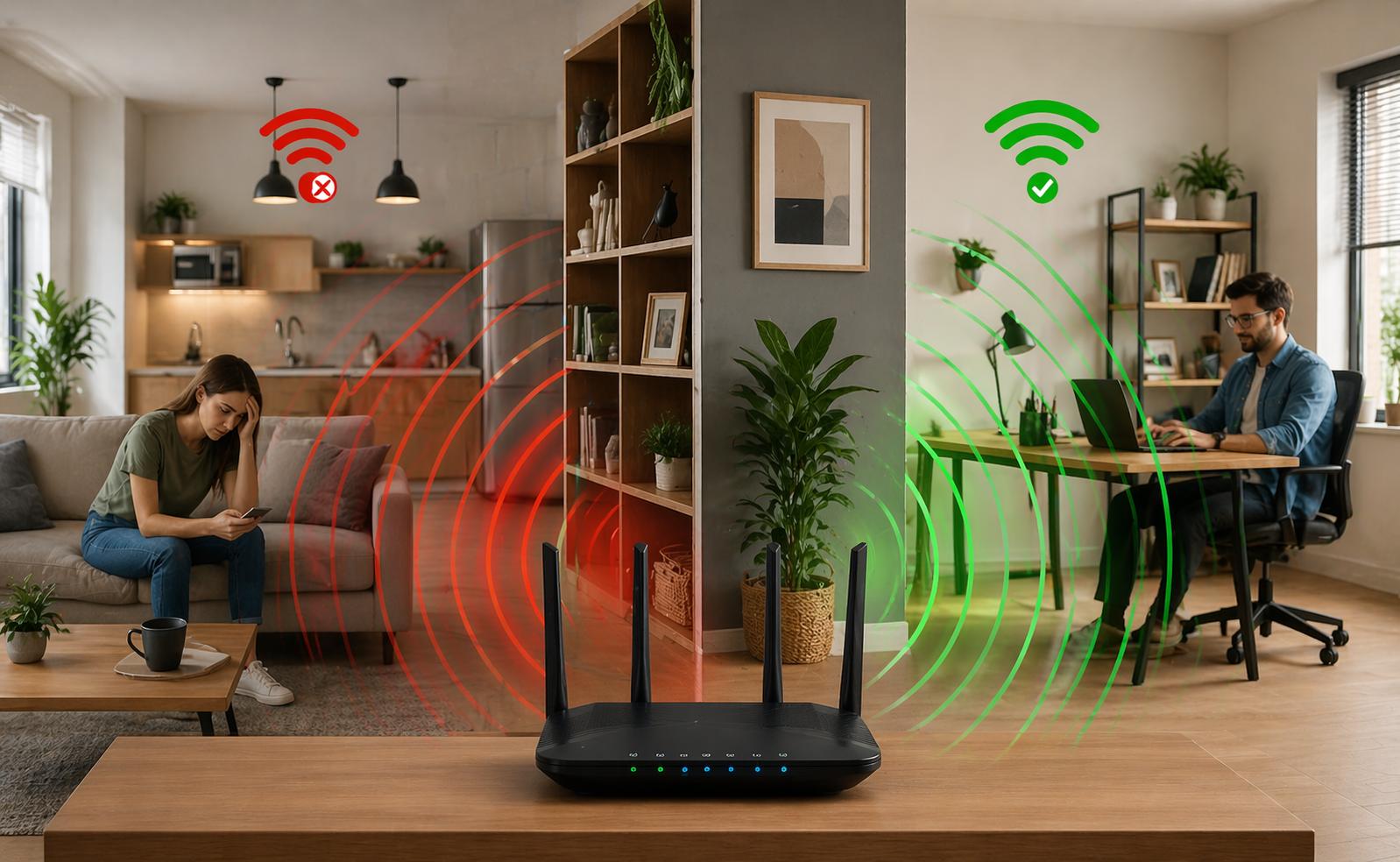
Slow internet, buffering videos, and weak signal in certain rooms are usually caused by radio congestion or wall interference. Learn how the 2.4 GHz and 5 GHz frequency bands differ, how to choose non-overlapping Wi-Fi channels (1, 6, and 11), and how simple placement adjustments can dramatically boost whole-home coverage.

Key Concepts Covered
2.4 GHz vs 5 GHz Bands
Channel Selection
Central Router Placement
Avoiding Radio Interference
Fix Slow Wi-Fi Speed & Range
03 • SIGNAL OPTIMIZATION
04 Troubleshooting

Fix Internet Connection Drops

Most unexpected connection problems can be solved in a few minutes without calling an expensive technician. Follow our proven diagnostic sequence: performing a 30-second sequential power cycle, checking modem synchronization lights, clearing corrupted DNS caches, and executing a clean factory reset if passwords are lost.

Key Concepts Covered
Power Cycle Order
Checking Status LEDs
Flushing DNS Cache
10-Second Pinhole Reset
Fix Internet Connection Drops
04 • DIAGNOSTICS & RESET
BLUEPRINT ACTIVE

Clear Step-by-Step Guides

Tested and structured networking manuals

Zero Commercial Ads

Unbiased, independent knowledge base

100%

Educational Guides

About This Knowledge Base

A simple place to learn home networking.

Router Guide shares easy reading manuals about Wi-Fi setup, admin logins, password security, speed improvements, and reset procedures. We explain device behavior simply, without technical pressure or complicated jargon.

Our Writing Approach

Concept-first explanations tailored for everyday home users.
Simple vocabulary, keeping technical jargon to a minimum.
Clear insights on connection settings and LED lights.

Mission Scope Boundaries

Concept Guides Yes
Tech Support No
Verified Methods Yes
Hardware Sales No

Educational Disclaimer: We are an independent educational resource. All content is compiled for learning and awareness purposes only.

FAQ Database

Clear answers before you start reading.

Learn what this website provides and how networking information should be understood.

Notice: This website is an educational reference portal. No phone numbers, paid troubleshooting services, or remote access logins are offered on these pages.

01

How do I find my router's IP address?

On Windows, open Command Prompt, type ipconfig, and look for the "Default Gateway" number (e.g. 192.168.1.1 or 192.168.0.1). On a phone or Mac, check your active Wi-Fi connection details under "Router" or "Gateway".

Reference: Standard IPv4 Local Gateway Specifications (IETF RFC 1918)
02

Why does my Wi-Fi say "Connected, no internet"?

This message means your phone or PC has successfully connected to the router wirelessly, but the router is not receiving an active internet feed from the modem. Check that the Ethernet cable between the modem and the router's WAN port is firmly clicked in.

Reference: Wi-Fi Alliance Connection Diagnostics Standards
03

What is the difference between 2.4 GHz and 5 GHz Wi-Fi?

The 2.4 GHz band provides longer range and easily passes through walls, but has lower maximum speed. The 5 GHz band provides significantly faster data speeds and lower lag, but has a shorter broadcast distance.

Reference: IEEE 802.11ac / 802.11ax Wireless Standards
04

How do I factory reset my router?

Locate the tiny RESET pinhole on the back of the router. With the power on, press and hold the button inside using a paperclip for 10 to 15 seconds until the LEDs flash, then release. The router will restart with default factory settings.

Reference: Universal Hardware Reset Specifications
Educational Manuals Library

Read practical, verified how-to articles.

Explore simple learning articles about router hardware cabling, admin logins, Wi-Fi passwords, speed fixes, and reset steps.

See All Guides